Decarbonisation and Energy Transition Policy Toolkit for Nigeria
Practical, evidence-based guidance for turning renewable energy into Nigerian jobs, manufacturing and fiscal resilience. Ten one-page tool cards show who leads, what it costs, the steps to take and how to measure progress.
Free PDF · 376 KB · 15 pages · Policy brief published 10 November 2026
- Policymakers
- Financiers
- Developers
- Manufacturers
Module C · Tool card C1
Diesel-to-solar programme for small businesses
- The problem and instrument options
- Implementation steps, in order
- How progress is measured
Why the Toolkit matters
From a policy question to a practical plan
The energy choices Nigeria makes now will shape jobs, industry and public finances for years to come. The Toolkit compares renewable pathways with new oil and gas development on jobs, local value added, fiscal resilience and competitiveness, then sets out practical tools for acting on the evidence.
Jobs
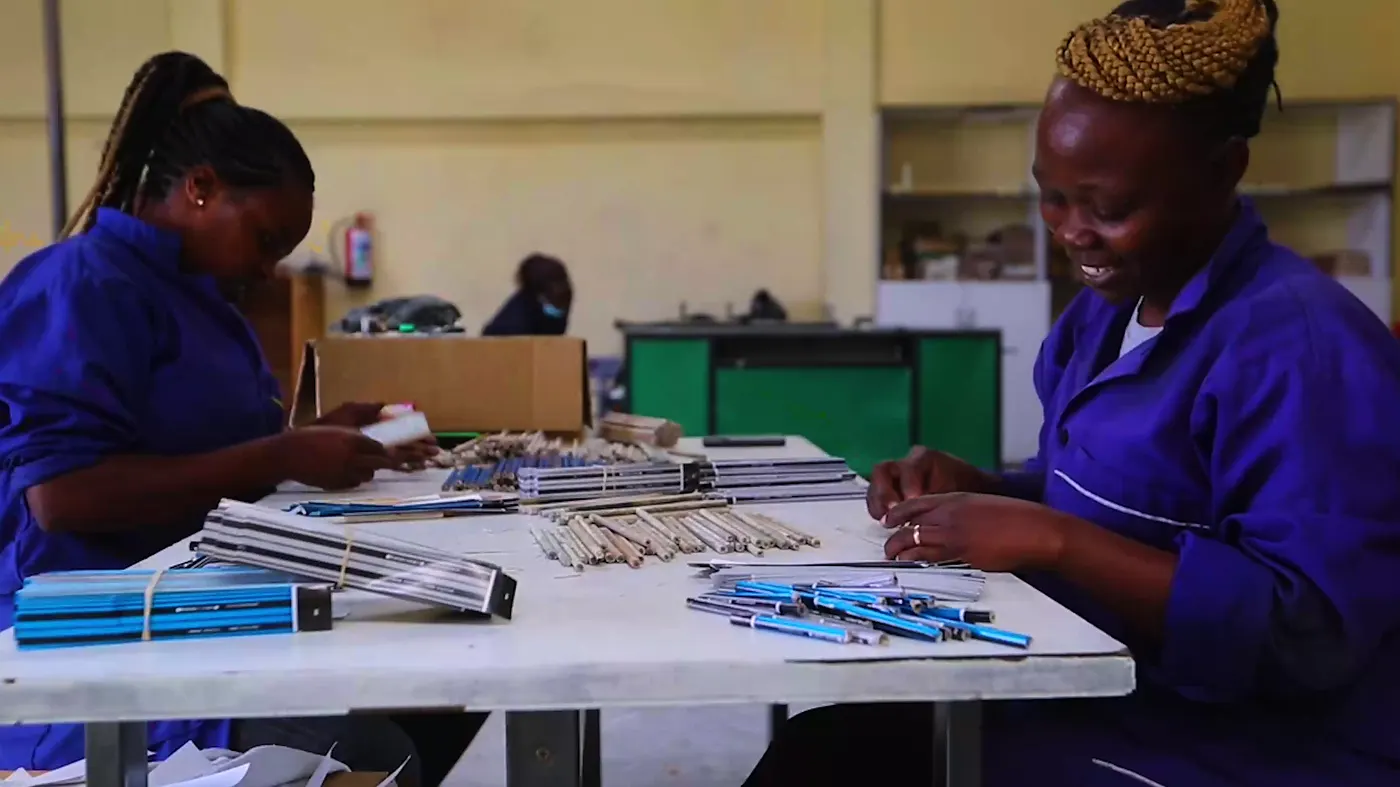
Distributed solar creates about three times as many jobs per dollar as new gas-fired generation.
Local manufacturing
Reported local module assembly capacity: the base for a Nigerian solar and storage industry.
Business energy costs
Rise in the average diesel price in the year to May 2026. Solar with batteries costs about one-eighth as much per unit.
Financing
Naira lending for solar that a ₦10 billion first-loss guarantee fund could unlock by 2028.
Figures are taken from the policy brief (draft for stakeholder validation, 10 November 2026). Sources and assumptions are set out in the Toolkit’s annexes.
Inside the Toolkit
Four modules, ten tool cards
Each one-page card sets out the problem, the instrument options, the estimated fiscal cost, the lead and supporting institutions, the implementation steps and how to measure progress.
Fiscal incentives and finance
- A1 Blended finance and guarantees for commercial and industrial solar and mini-grids
- A2 Duty and VAT relief for solar components and batteries, with clean technology manufacturing tax incentives
Manufacturing localisation
- B1 Standards, certification, testing and quality enforcement
- B2 A phased local assembly roadmap for solar and storage
- B3 Public procurement preferences for locally assembled equipment
Diesel displacement
- C1 A diesel-to-solar programme for SMEs, with demand aggregation and appropriate finance
- C2 Commercial and industrial solar and captive power arrangements
- C3 Aggregated solar procurement for hospitals, schools and public offices
State industrial clusters
- D1 A state readiness and selection screen for cluster support
- D2 A clean energy industrial cluster model combining land, permits, power and anchor demand
Find your tools
Which cards fit your work?
Choose your role to see where to start in the Toolkit.
Start with the fiscal, procurement and state cluster tools:
- A2 Duty and VAT relief for solar components and batteries, with clean technology manufacturing tax incentives
- B3 Public procurement preferences for locally assembled equipment
- C3 Aggregated solar procurement for hospitals, schools and public offices
- D1 A state readiness and selection screen for cluster support
- D2 A clean energy industrial cluster model combining land, permits, power and anchor demand
Start with the finance and commercial solar tools:
- A1 Blended finance and guarantees for commercial and industrial solar and mini-grids
- C1 A diesel-to-solar programme for SMEs, with demand aggregation and appropriate finance
- C2 Commercial and industrial solar and captive power arrangements
Start with the localisation and market tools:
- B1 Standards, certification, testing and quality enforcement
- B2 A phased local assembly roadmap for solar and storage
- B3 Public procurement preferences for locally assembled equipment
- C2 Commercial and industrial solar and captive power arrangements
Start with the tools on cutting diesel costs:
- C1 A diesel-to-solar programme for SMEs, with demand aggregation and appropriate finance
- C2 Commercial and industrial solar and captive power arrangements
- A1 Blended finance and guarantees for commercial and industrial solar and mini-grids
Downloads
Get the Toolkit
Free to download. No sign-up needed.
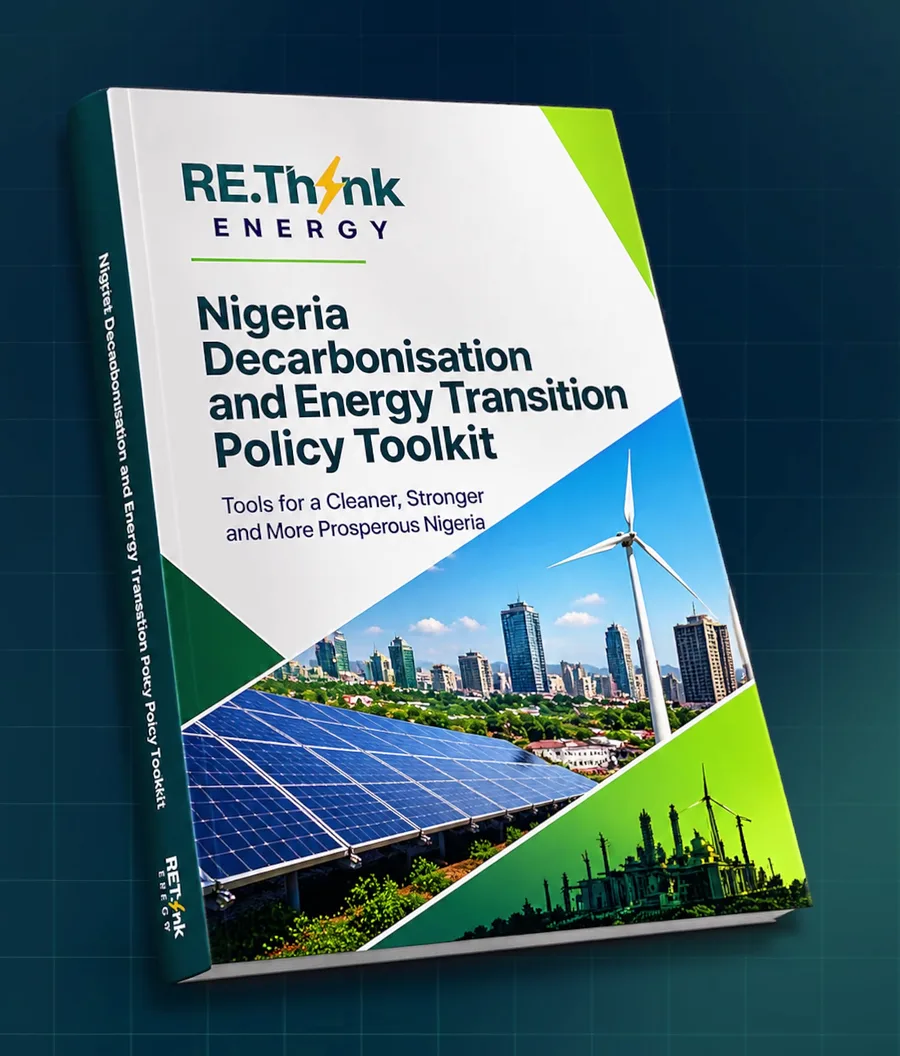
Policy brief · Available now
Cutting diesel, creating jobs: ten decisions for Nigeria’s energy transition
Condensed from the Toolkit for ministers and decision-makers: why to act now, what the evidence shows, where public money goes furthest, and the ten tools on one page.
PDF · 376 KB · 15 pages · Published 10 November 2026
Full Toolkit
Decarbonisation and Energy Transition Policy Toolkit for Nigeria
All four modules and ten tool cards, with the policy diagnosis, pathway comparison, implementation roadmap, monitoring framework and annexes.
Executive summary
The key findings, in brief
A short read for decision-makers who need the headline evidence and recommendations.
Abuja launch
Launch and stakeholder dialogue
A half-day session bringing together public institutions, financiers and industry to introduce the Toolkit and discuss how its tools can be put to work.
30 November or 1 December 2026 (to be confirmed)
Abuja (venue to be confirmed)
Half day, by invitation
Attendance is by invitation.
About BEYOND FOSSILS
BEYOND FOSSILS: Nigeria’s Prosperous Energy Future is a twelve-month programme by RE.Think Energy. It examines how renewable energy can support Nigerian jobs, industrialisation, economic competitiveness and fiscal resilience, with attention to SMEs, women, youth and agricultural cooperatives.
About RE.Think Energy
RE.Think Energy is an African-led renewable energy platform working across policy and regulatory transformation, research and development, project incubation and corporate aggregation.
Contact
Questions about the Toolkit, or interested in working with us on implementation? Contact details will be published here ahead of the launch.